
Mink Hollow Rabbitry Blog
Permanent link: http://bit.ly/mhr-blog
In an effort to move away from Facebook more, I am starting a blog. I will post things here that I would normally share on the farm page on FaceBook.
—- watch this space for more —–
What does it mean to be Pedigreed?
Originally published May 13, 2022. (Updated: March 23, 2023)
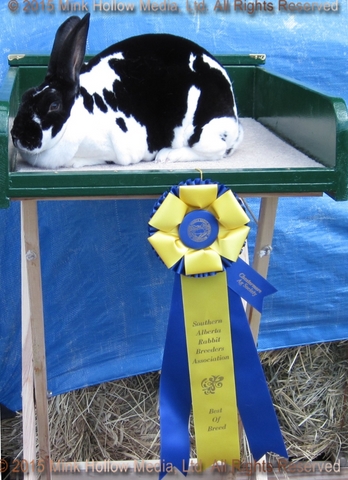 Purebred?
Pedigreed?
Registered?
What's the difference and why does it matter?
These terms are all interrelated and the exact definitions will depend on what kind of animal we are talking about.
Registered
Let's start with registered. An animal can only be claimed to be registered when its information has been officially recorded by an association that is recognized as having the authority to do so. Many different domestic species have registry associations: dogs, cats, horses, cattle, sheep, rabbits, etc. In North America, the ONLY association that is recognized to officially register rabbits is The American Rabbit Breeders Association, or ARBA for short.
Each registration association sets its own rules for how to register an animal. With dogs, for example, BOTH parents must already be registered in order for a dog to be eligible for registration. And of course, both parents must be the same breed.
 What defines a breed is also defined by the registering bodies for that species. With rabbits, that's ARBA again, and they publish a book, called the Standard of Perfection (SOP) that describes in detail what each of the breeds is to look like, how much it should weigh, and what colours are recognized, among other things. There are currently 511) breeds of rabbit recognized in north America. There is a new edition of the standard published every five years.
We'll come back to how to go about getting your rabbit registered later.
Dogs, for example are only legally considered purebred when they are registered with a recognized registry association such as the Canadian Kennel Club (CKC) or the Fédération Cynologique Internationale (FCI).
Rabbits are not required to be registered in order to be shown, and a rabbits parents need not be registered in order for it to be registered.
All registered rabbits must be fully pedigreed, as it is one of the requirements for registration. This is true of all animals that can be registered.
A pedigreed rabbit does not have to also be registered, but a registered rabbit will always be fully pedigreed.
Pedigreed
It is possible to create a pedigree for any rabbit, purebred or not. Saying a rabbit is 'pedigreed' simply indicates that you have a record of its ancestors going back for 3 or more generations. In its simplest form a pedigree is just a family tree. A 3-generation pedigree identifies the rabbit, its parents, grandparents, and great-grandparents.
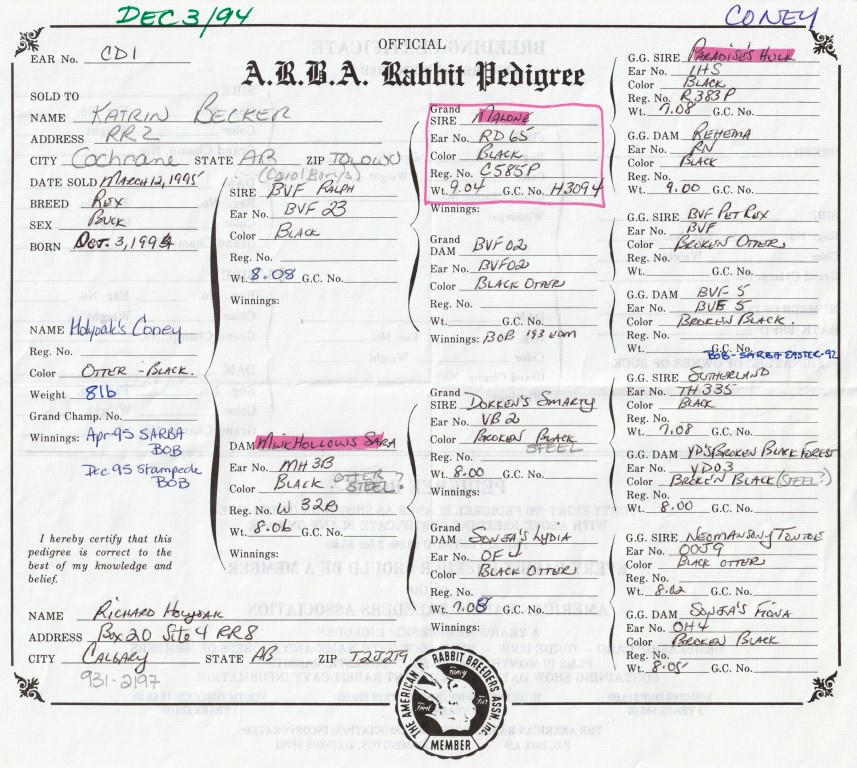 With rabbits, in order to be considered “fully pedigreed”, the information must include the rabbit's name (including the rabbitry prefix), ear tattoo, sex, birth date, and colour along with the name of the breeder and the name of the owner. The parents, grandparents, and great-grandparents must be identified by their name, ear tattoo, weight and colour. All rabbits in the pedigree must be the same breed.
The name MUST not be changed in any way without the express approval of the original breeder. The ear number MUST be the one given to it by the breeder unless the breeder gives you permission to choose your own.
The name MUST include the rabbitry prefix, written in the way that the original breeder of that rabbit does it. Some rabbitries use the initials of their rabbitry name (eg. MH or M.H.) while others use the full name (eg. Mink Hollow). Also, some include 's (eg. Mink Hollow's Elf) while others do not (eg. Mink Hollow Elf). Make sure you follow the same pattern used by the original breeder.
With rabbits, the ear number must be permanently tattooed in the LEFT ear (and ONLY the left ear). It can be any combination of numbers and capital letters, but may not contain any special characters, and may not contain an offensive or vulgar word. Obviously, you will not want to have too long a tattoo, as it will not fit in the poor animal's ear!
The tattoo MUST be easy to read, and can be made using either clamp-style tattoo pliers, or a pen tattoo.
Most rabbit breeders use either the animal's name (like, “FLUFFY”) as the tattoo or some sort of code that identifies the rabbitry and some information about the rabbit itself. Some simply use consecutive numbers, others include the initials of the parents, and others still use other codes to indicate the year, month, litter, and even gender.
The picture is a hand-written, IN-complete pedigree for a Rex rabbit from the 1990s. The rabbits marked in pink are registered. NOTE that some of the rabbits are missing weights. The KEY information for every ancestor should include each rabbit's:
- Name INCLUDING the rabbitry prefix
- Ear No.
- Colour
- Weight
- Registration Number (if registered)
- Grand Champion Number (if the rabbit has earned that title)
Other information often seen on pedigrees is not required, but many buyers will appreciate it when it is included:
- pictures of the rabbits
- any awards that rabbit has won
- whether it has earned any legs towards a grand championship, and if so, how many
Below is a full and complete pedigree that includes pictures and genetic information.

Purebred
How we define purebred varies somewhat by species.
Simply stated, an animal is purebred if both parents and grandparents are all the same breed.
For some species, like dogs, it is required that both parents be registered in order for it to be legally considered purebred. Any unregistered dog, no matter how “pure” is legally NOT a purebred.
Other species allow for one great-grandparent to be of a different breed. This can make it easier to maintain a breed that is in danger of dying out, or when creating a new breed.
Rabbits do not require the parents to be registered in order to become registered themselves, so saying it is purebred simply implies that its parents and all of its ancestors as far back as anyone knows are members of the same breed. It is not really proof of anything.
Registering Your Rabbit
The only way to register a rabbit in North America is to take it to a licensed registrar, who will check over the rabbit and its pedigree and, assuming it meets all of the requirements for that breed, will then fill out and submit a registration application and submit it to ARBA.
It's actually one of the things I really like about the rabbit fancy - in order for a rabbit to be registered, a trained and qualified registrar must look over the rabbit personally and make sure it is an acceptable representative of that breed. The parents, grandparents, and great-grandparents do not need to be registered, but they do need to be of the same breed.
 In order to complete a registration application, the owner of the rabbit must bring the following information to the registrar:
- You must be a member of ARBA and you must bring your membership card.
- A 3-generation pedigree that includes the name, ear number, sex, colour, and weight of every animal on it.
- The name and address of the breeder (if it wasn't you).
In addition to that, your rabbit must be at least 6 months old, and it must meet all of the requirements for a senior rabbit of its sex and breed. It may have NO disqualifying faults.
The full rules for registration can be found on ARBA's website, here.
 Rabbit registrations all have a seal printed on them. There are 5 different kinds of seals:
“White Seal” means the one or both parents are unregistered, but the offspring comes with a full and complete pedigree and has no disqualifying faults at the time of sale.
“Red Seal” means that both parents are registered, and
 “Red & White Seal” means that both parents and all grandparents are registered.
“Red, White, and Blue Seal” means that both parents, all grandparents, and ALL great-grandparents are registered.
The last one, rarest of all is a “Gold Seal”, which means that all rabbits on the pedigree are Grand Champions2).
I've never seen one of those.
Why Bother?
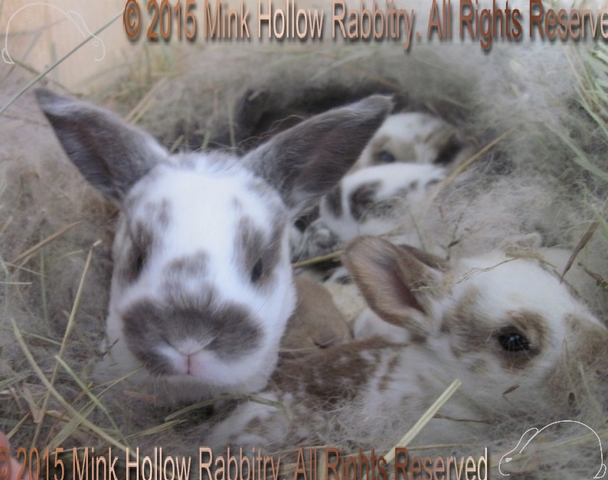 If you want to sell breeding stock, then buying your stock from reputable breeders and keeping proper records - including full pedigrees - is highly recommended.
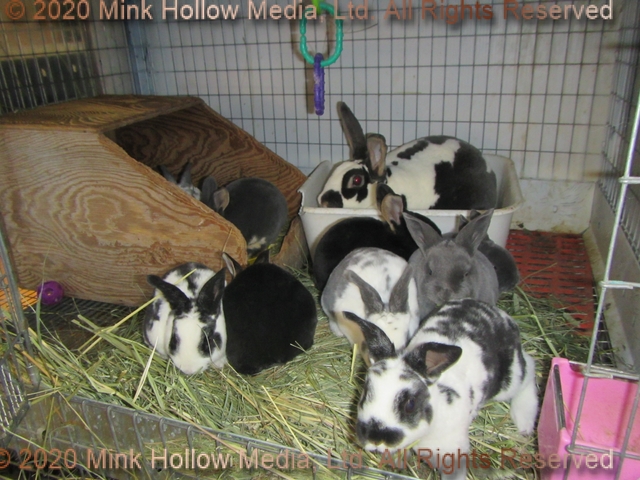 If all you want from your rabbit is for it to be a good pet, then it doesn't matter - unless of course you are wanting a rabbit that is a particular size, or has a particular kind of fur, or temperament. In that case buying a rabbit from a reputable breeders - is highly recommended.
If all you want from your rabbits is to produce babies for meat, then it doesn't matter - unless of course you are wanting some predictability as far as growth rates, litter sizes, fertility or mothering ability goes. In that case buying a rabbit from a reputable breeder and keeping proper records yourself - including full pedigrees - is highly recommended. (regardless of whether or not they are purebred)
If all you want from your rabbit is for it to produce babies that you can sell as pets, then it doesn't matter - unless of course you care about your reputation as a producer of rabbits of a particular size, or that have a particular kind of fur, or temperament. In that case buying a rabbit from a reputable breeder and keeping proper records yourself - including full pedigrees - is highly recommended.
Weaning day for Maggie's kids and 18 days for the newest litters.
Maggie's babies have been weaned, along with Callisto's and Coco's.
<html><iframe width=“560” height=“315” src=“https://www.youtube.com/embed/lMiyeCqyAiY” frameborder=“0” allow=“accelerometer; autoplay; encrypted-media; gyroscope; picture-in-picture” allowfullscreen></iframe></html>
<html><iframe width=“560” height=“315” src=“https://www.youtube.com/embed/dfgGzMGAGls” frameborder=“0” allow=“accelerometer; autoplay; encrypted-media; gyroscope; picture-in-picture” allowfullscreen></iframe></html>
<html><iframe width=“560” height=“315” src=“https://www.youtube.com/embed/9U8ncKjYFAY” frameborder=“0” allow=“accelerometer; autoplay; encrypted-media; gyroscope; picture-in-picture” allowfullscreen></iframe></html>
<html><iframe width=“560” height=“315” src=“https://www.youtube.com/embed/hbD3mp0Fqh4” frameborder=“0” allow=“accelerometer; autoplay; encrypted-media; gyroscope; picture-in-picture” allowfullscreen></iframe></html>
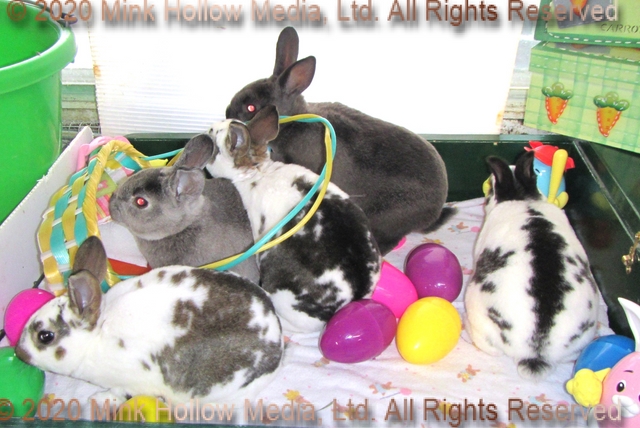
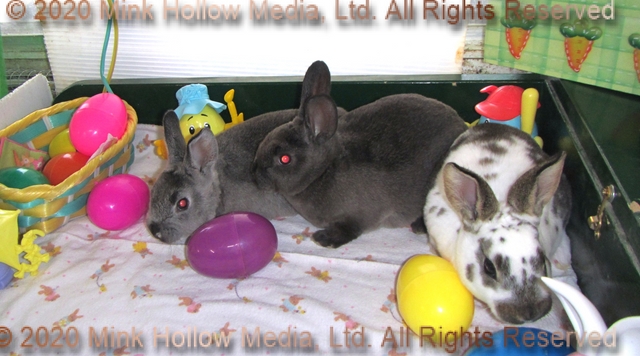
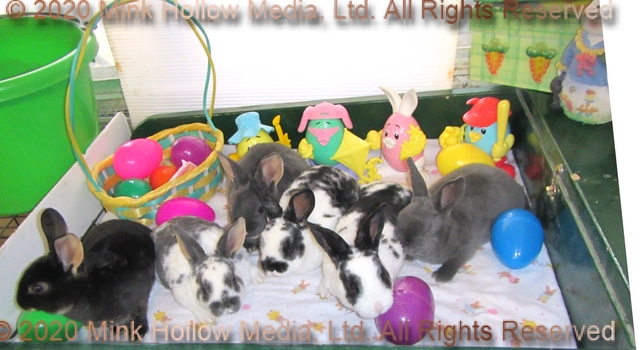
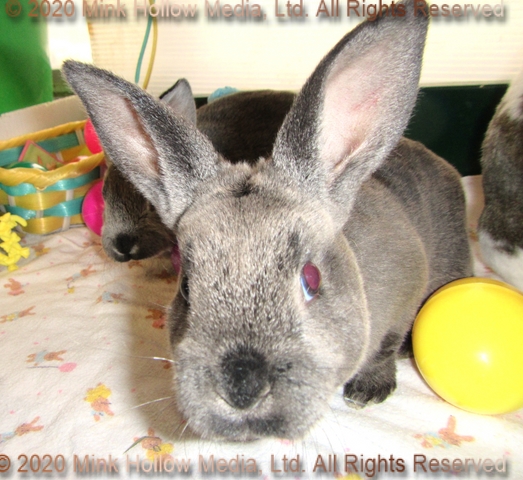
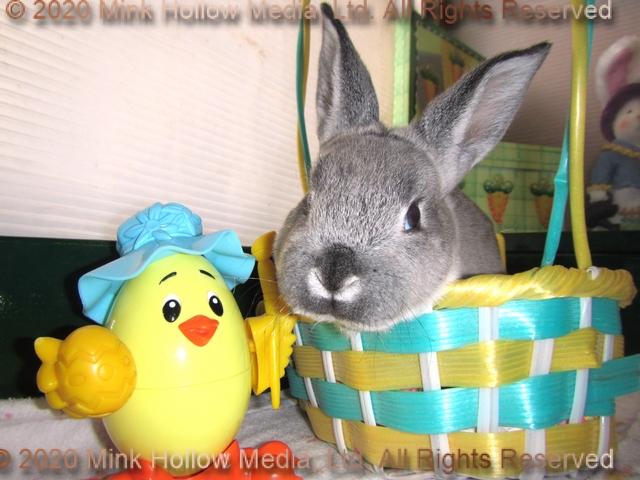
Happy Easter!
HAPPY SPRING EVERYONE!
 |
 |
 |
 |
 |
 |
The first two videos are Cobalt's babies and the third one are of Cancon's babies.
<html><iframe width=“560” height=“315” src=“https://www.youtube.com/embed/70u2tMDJZ2E” frameborder=“0” allow=“accelerometer; autoplay; encrypted-media; gyroscope; picture-in-picture” allowfullscreen></iframe></html>
<html><iframe width=“560” height=“315” src=“https://www.youtube.com/embed/OTw-zNvIovg” frameborder=“0” allow=“accelerometer; autoplay; encrypted-media; gyroscope; picture-in-picture” allowfullscreen></iframe></html>
<html><iframe width=“560” height=“315” src=“https://www.youtube.com/embed/WHd_mzB-SHo” frameborder=“0” allow=“accelerometer; autoplay; encrypted-media; gyroscope; picture-in-picture” allowfullscreen></iframe></html>
2 Week Check-Ups
Here are the 2 week check-ups.
This might be a good time to start talking about colour.
DCK: Choir X Cinder

Without getting into the details just yet (I will in a future post), it is known that black (“B') is dominant over chocolate ('b'), and also that the otter pattern ('at') is dominant over self colour ('a') (i.e. the same colour all over, not counting white patches).
Choir is a black otter, and Cinder is a self black.
In order for there to be self black babies in the litter, Choir has to be carrying the gene for self ('a'), which she is.
BOTH have to be carrying the gene for chocolate ('b'), which they are.
So Choir's litter contains black, black otter, chocolate and chocolate otter.
<html><iframe width=“560” height=“315” src=“https://www.youtube.com/embed/AQCY5WvJcLU” frameborder=“0” allow=“accelerometer; autoplay; encrypted-media; gyroscope; picture-in-picture” allowfullscreen></iframe></html>
DCL: Cindy X Trigg

The genetics for tri-colour is a little more complicated to explain than self and otter.
The gene primarily responsible for this colour is in the Extension series. That brindle kind of colour (a.k.a. harelquin) is the result of the Japanese allele (ej). It is partially recessive to full extension ('E'), and fully dominant over non-extension ('e').
It is likely that both Cindy and Trigg have BOTH the Japanese allele and the non-extension allele.
We note that this way: 'eje'.
The more dominant allele is always written first, regardless of which parent it came from.
Normally in a wild rabbit, each hair has several bands of colour along its shaft. That's normal extension ('E').
The Japanese allele causes the colour to go in patches rather that all on each hair.
Calico cats have something similar. instead of tabby markings, they have black and orange patches. In rabbits we call it harlequin if the rabbit has no white on it, and tri-colour if it does.
When we add the gene for broken (white), the brindling of the harlequin switches to black spots on an orange background.
All 7 of Cindy's babies have the Japanese allele. 2 have no white: one is a typical harlequin, and the other is mostly orange with just a tiny bit of darker brindling. 2 are nicely marked tris, and the remaining 3 are very lighlty marked. Those three would not be eligible for showing because they have too little colour. This can happen when both parents pass on the gene for broken.
<html><iframe width=“560” height=“315” src=“https://www.youtube.com/embed/PSHEj4i0Cb8” frameborder=“0” allow=“accelerometer; autoplay; encrypted-media; gyroscope; picture-in-picture” allowfullscreen></iframe></html>
DCM: Windy X Andy

I have no new video of Windy's babies, but all are well.
The genetics for these are a little complicated too.
Windy is a broken choclate, but chocolate is recessive to black so we will only have chocolate babies if Andy is also carrying chocolate, which I don't think he is.
NONE of the babies are the same colour as dad. Andy is a sable. Sable is a self colour, like black, but it carries the shaded gene which turns the black into a sort of sepia brown ('Cchl'). The shaded gene is recessive to the full colour gene ('C'). Windy might be homozygous for full colour. That means that both of the genes she has in the C-series are ('C'), so all of her babies will get a 'C' for full colour, which is dominant over all the other genes in the C-Series.
It appears that all of Windy's babies are either black or broken black.
DCO: Cebreez & Chai

Cebreez has just 4 babies of her own.
Cebreez is a broken lynx. Lynx is an agouti pattern, which is dominant over both otter and self. Lynx is also a dilute chocolate (=lilac).
Chai is a very nicely marked black/orange tri. Both are broken so very lightly marked babies were a possibility.
Even though Cebreez does not carry the Japanese gene, she does carry non-extension ('e'), so any babies of hers who get 'e' from mom and 'ej' from dad will be tri-coloured.
Looks like she has one nicely marked tri, one possible broken black (with too little colour), and 2 broken castors who are both showing the Japanese gene. They are harlequin'd. Only the tri is showable, but the others might make good breeding stock, depending on what one is trying to produce.
<html><iframe width=“560” height=“315” src=“https://www.youtube.com/embed/ver4rRdzLdQ” frameborder=“0” allow=“accelerometer; autoplay; encrypted-media; gyroscope; picture-in-picture” allowfullscreen></iframe></html>
<html><iframe width=“560” height=“315” src=“https://www.youtube.com/embed/agVorZh-S2k” frameborder=“0” allow=“accelerometer; autoplay; encrypted-media; gyroscope; picture-in-picture” allowfullscreen></iframe></html>
DCP: Conina X Buddy

Conina is a castor, and Buddy is a blue/cream harlequin. Blue/cream is the dilute version of black/orange.
Their babies look like there are 3 castors (dark) and 3 opals (dilute).
<html><iframe width=“560” height=“315” src=“https://www.youtube.com/embed/Hq_5rvXU7H0” frameborder=“0” allow=“accelerometer; autoplay; encrypted-media; gyroscope; picture-in-picture” allowfullscreen></iframe></html>
DCQ: Cerise X Comet
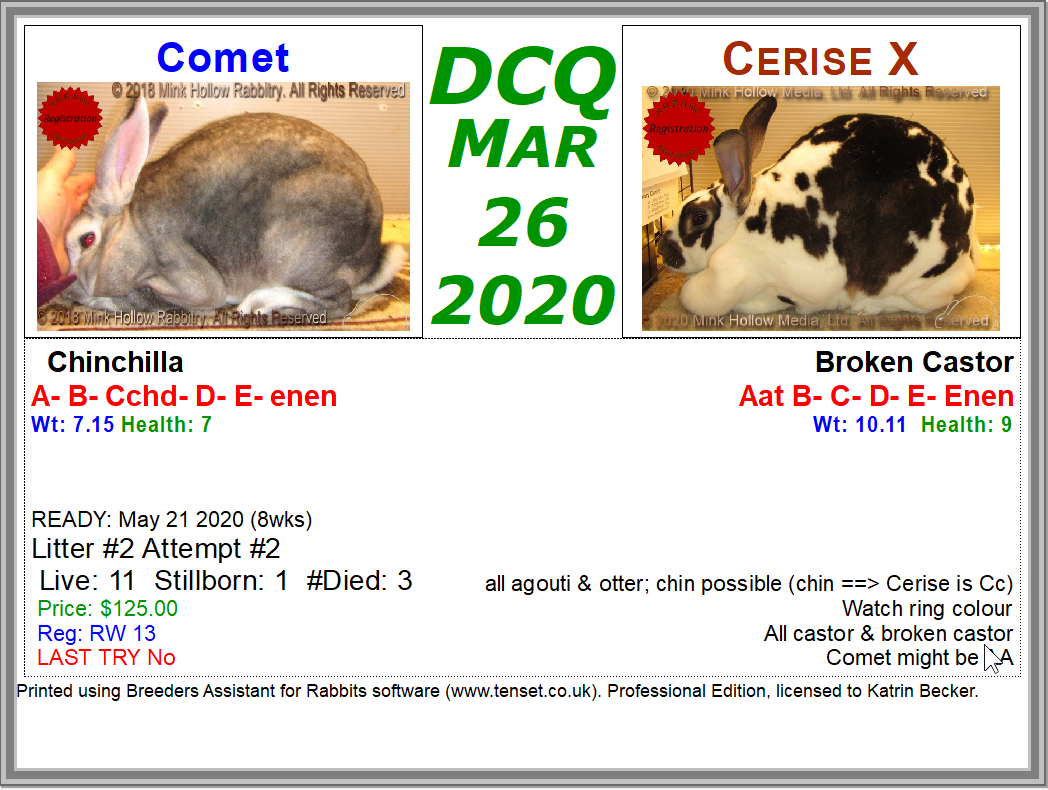 I have no new videos of Cerise's babies, but they are mostly doing fine. She lost one, so she now has 8.
Comet is a chinchilla, but Cerise does not seem to have any chinchilla babies. They appear all to be castors, some solid and some broken.
Happy Easter, Passover, Vaisakhi, Baisakhi, Vishu , New Year, ....
Forgive me if I have missed any…..
OF COURSE!
HAPPY SPRING EVERYONE!
<html><iframe width=“560” height=“315” src=“https://www.youtube.com/embed/J7LekoK7qsk” frameborder=“0” allow=“accelerometer; autoplay; encrypted-media; gyroscope; picture-in-picture” allowfullscreen></iframe></html>